Sediment Treatment
Integrated collection, stabilization and recycling of contaminated sediment.
With contaminated sediment treatment,
we contain pollution and recover resources.
Contaminated sediment accumulated in rivers, lakes and coastal waters can degrade water quality, cause odor and algal blooms, and disrupt aquatic ecosystems. Soil Resources treats this material as a recoverable soil resource and designs integrated processes suited to each site.
Contaminants are safely collected by dedicated sludge dredging or land-based dredging. Particle separation, Soil Washing, dredging-water treatment, heavy-metal stabilization and soil improvement reduce pollutant loads and prepare recovered aggregate and stabilized soil for restoration and fill use.
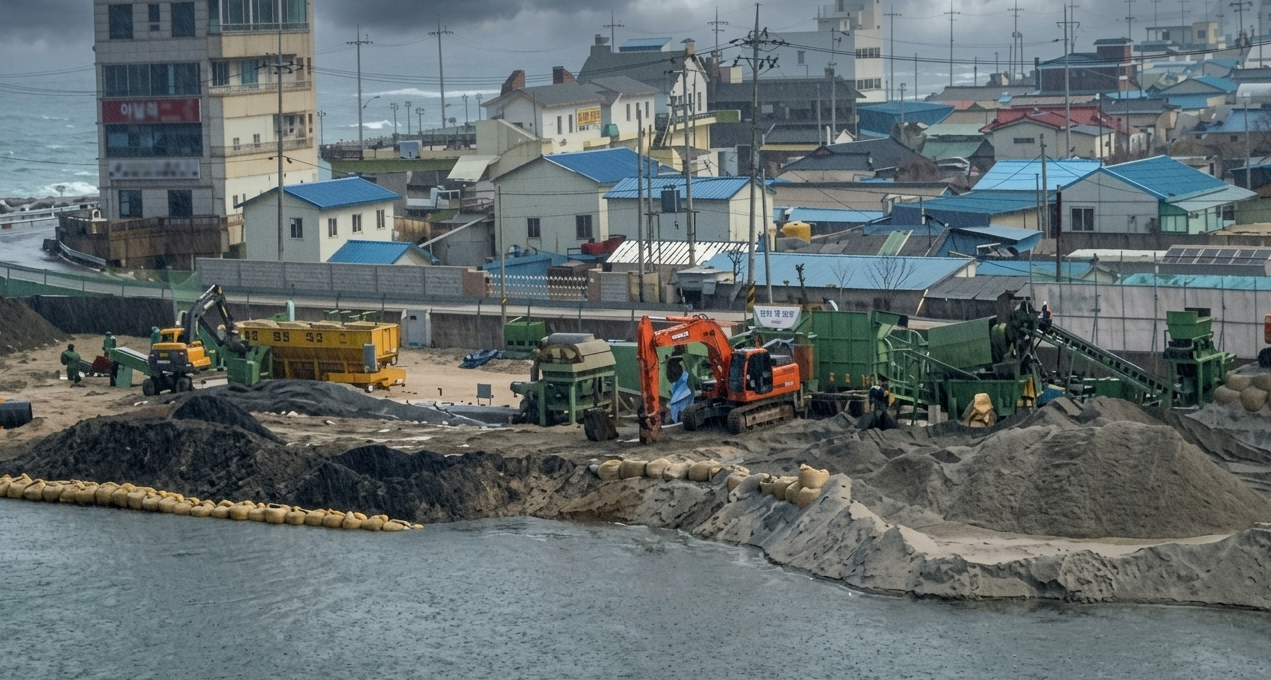
Key Treatment Principles
Effective sediment treatment must address secondary-pollution control during collection, contaminant stabilization during processing, and resource recovery after treatment.
Dedicated sludge dredgers or cofferdam methods safely collect contaminated sediment while limiting dispersion.
Gravel, sand and sludge are separated and washed to recover useful aggregate and reduce the contaminated fraction.
Dredging and wash water are managed through settling, dewatering and treatment to meet discharge standards.
Leaching and dispersion of heavy metals and other contaminants are suppressed while producing reusable stabilized soil.
From Treatment to Restoration
Sediment treatment does not end with dredging. It separates and reduces contaminated soil, stabilizes pollutants and reuses recovered aggregate and improved soil as ecosystem-restoration materials.
Sediment is collected using dedicated sludge dredgers, cofferdams or land-based equipment selected for site conditions while controlling contaminant spread.
Drum Screens, Cyclones and Sand Screens separate debris, gravel, sand and sludge.
Settling, gravity dewatering and centrifugation separate suspended solids and sludge while treated water is managed to applicable standards.
Separated contaminated soil is blended with stabilizers to reduce heavy-metal leaching and dispersion and improve physical properties.
Recovered aggregate is prepared for ecosystem restoration, while stabilized soil can be reused as fill or landfill material.
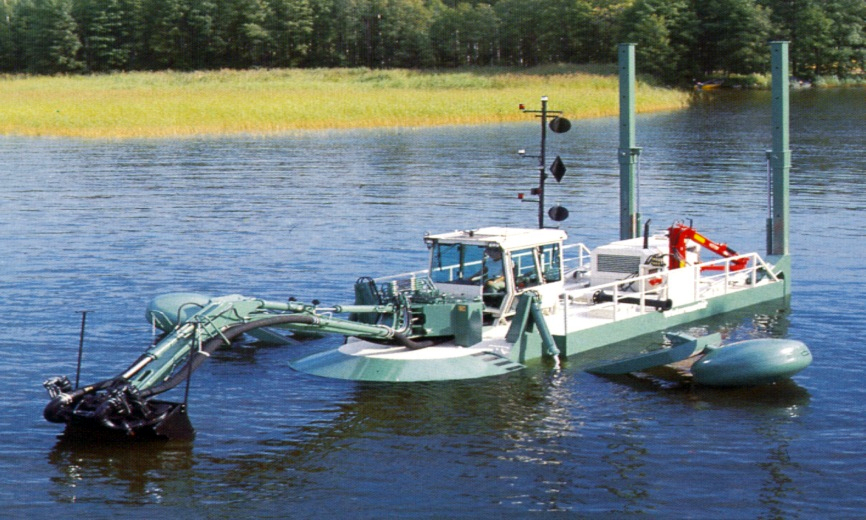
Site-Adaptable Treatment System
Where large disposal areas are unavailable, continuous sorting, drying and stabilization can shorten construction time and maintain consistent quality.
- Separation PlantRecover aggregate and reduce contaminated fines
- Water TreatmentMeet discharge limits and prevent secondary pollution
- Stabilization UnitStabilize heavy metals and produce stabilized soil
- Restoration ReuseUse recovered aggregate to rebuild riverbed habitat
Expected Benefits
Source removal and treated-water management reduce contaminant spread in rivers and lakes.
Separation and stabilization reduce disposal volumes and increase reuse potential.
Recovered aggregate and stabilized soil support riverbed stability, better water quality and habitat recovery.