Eco Dredging
Selective dredging and collection designed to minimize contaminant spread.
Safely collecting contaminants with
eco-friendly dredging technology
Environmental dredging is restoration-focused dredging that selectively removes contaminated sludge and sediment disrupting aquatic ecosystems while minimizing secondary pollution during the work.
Soil Resources applies dedicated sludge dredgers, cofferdams and land-based dredging methods according to site conditions, integrating sediment transfer, turbidity control and delivery to the treatment plant into one safe collection system.
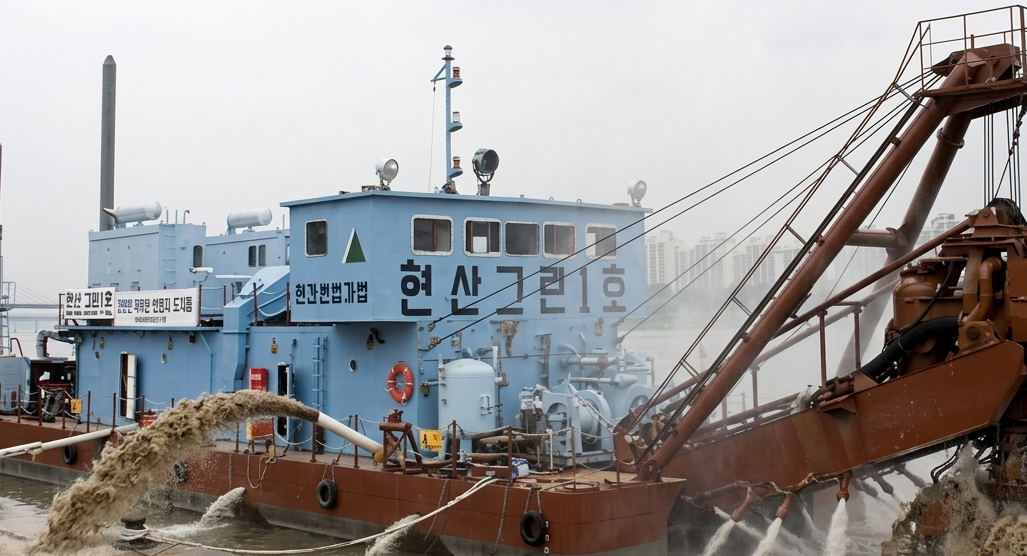
Why Contaminated Sediment Must Be Removed
Sludge accumulated on the beds of rivers, lakes and coastal waters can degrade water quality, cause odor and algal blooms, and damage habitat. Environmental dredging directly removes these sources and creates the starting point for aquatic restoration.
Removing bottom layers loaded with nutrients and contaminated sludge reduces BOD, suspended solids, total nitrogen, total phosphorus and other water-quality stressors.
Methods and equipment are selected to suppress turbidity and contaminant dispersion during collection.
After source removal, follow-up restoration such as aggregate reapplication, Capping and riverbed stabilization can proceed.
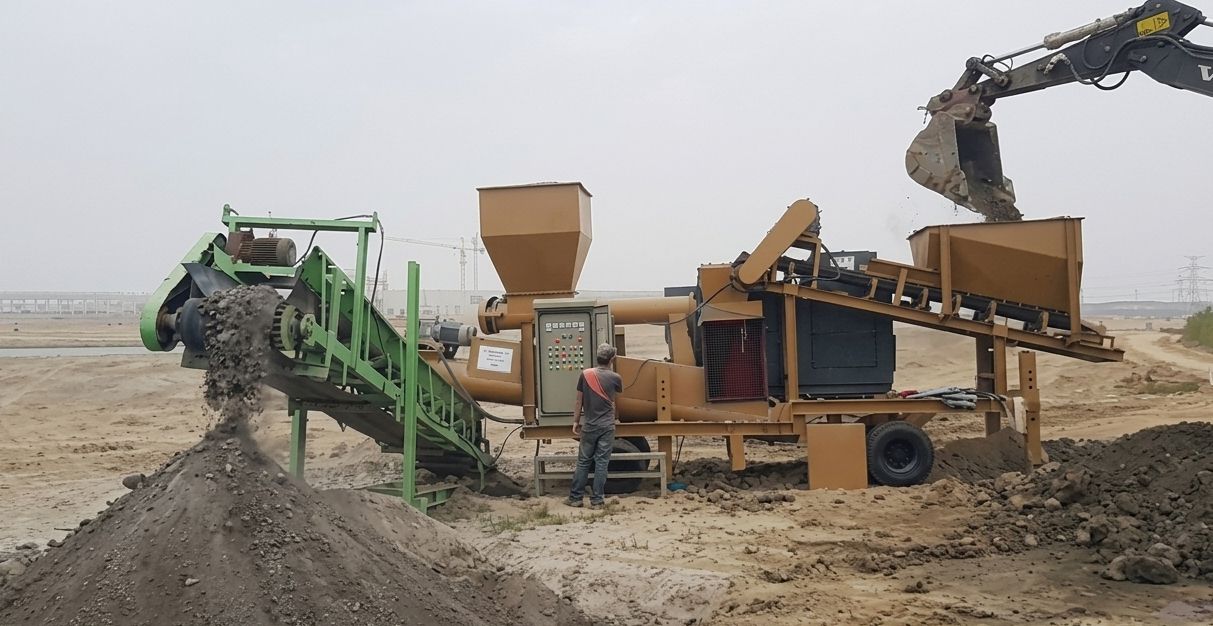
Site-Specific Collection Methods
Because contaminated sediment can be highly mobile and easily dispersed, conventional excavation alone may cause secondary pollution. We select collection methods based on water depth, flow velocity, channel width, contamination depth, community impact and treatment-plant location.
- Sludge DredgerSelective suction or specialized collection of contaminated sludge in rivers, lakes and coastal waters
- Cofferdam DredgingIsolate work zones where contaminant spread is a concern before removal
- Land-Based DredgingUse excavation equipment in shallow or accessible areas
- Pipeline TransferContinuously transfer collected sediment to treatment or separation facilities
Environmental Dredging Equipment
Depending on waterway scale and sediment condition, compact, semi-submersible and medium dredgers are combined with land-based equipment for efficient collection.
Suitable for selective sludge collection in small streams, reservoirs and confined waters.
Provides access in shallow rivers, wetlands and difficult-to-reach areas.
Supports vacuum-suction dredging in larger rivers, lakes and marine waters.
Integrates excavation, loading and transfer in cofferdam or low-water areas.
Key Controls During Collection
Successful environmental dredging depends less on volume than on contaminant control and integration with downstream treatment. Turbidity, odor, noise and soil dispersion are managed on site, followed by separation, water treatment and stabilization after transfer.
Work-zone isolation and dredging-water treatment minimize suspended-solids dispersion.
Reducing sludge exposure time and haul routes helps minimize impacts in urban waterways.
Sediment is safely transferred to treatment facilities through pipelines or dedicated transport systems.
Collected material is immediately routed to separation, dewatering and stabilization to prevent recontamination.