Capping
Clean aggregate caps contaminated layers and creates a stable habitat base.
Using recovered aggregate for
riverbed Capping restoration
Capping reuses washed aggregate recovered from sediment treatment on the riverbed to suppress dispersion and leaching from residual contaminated layers and rebuild habitat.
Rather than maximizing dredging volume, highly contaminated zones are removed while residual layers are stabilized under clean aggregate, balancing cost efficiency with restoration performance.
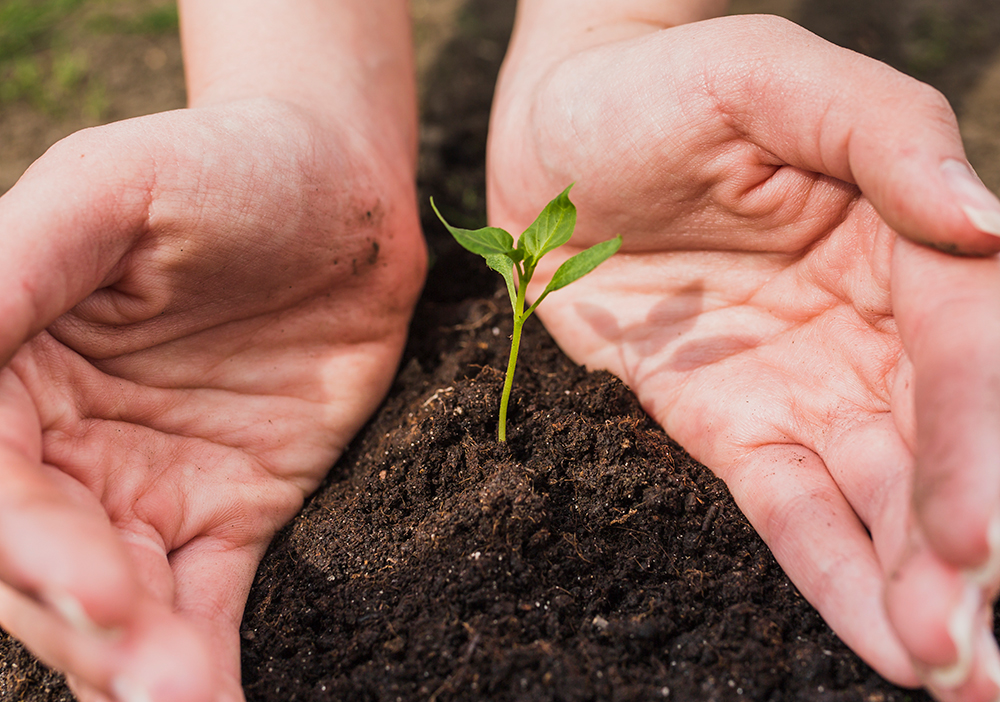
Capping Concept
A layer of washed sand and recovered aggregate is placed over contaminated sediment to control dispersion and create a stable riverbed where benthic organisms can establish.
Covering the riverbed with clean aggregate suppresses resuspension of contaminated sediment.
Reducing suspended solids and contaminant spread creates stable conditions for water-quality improvement.
Gravel and sand layers provide riverbed structure for benthic organisms and fish.
Dredge where necessary and cap residual layers to reduce construction cost and environmental burden.
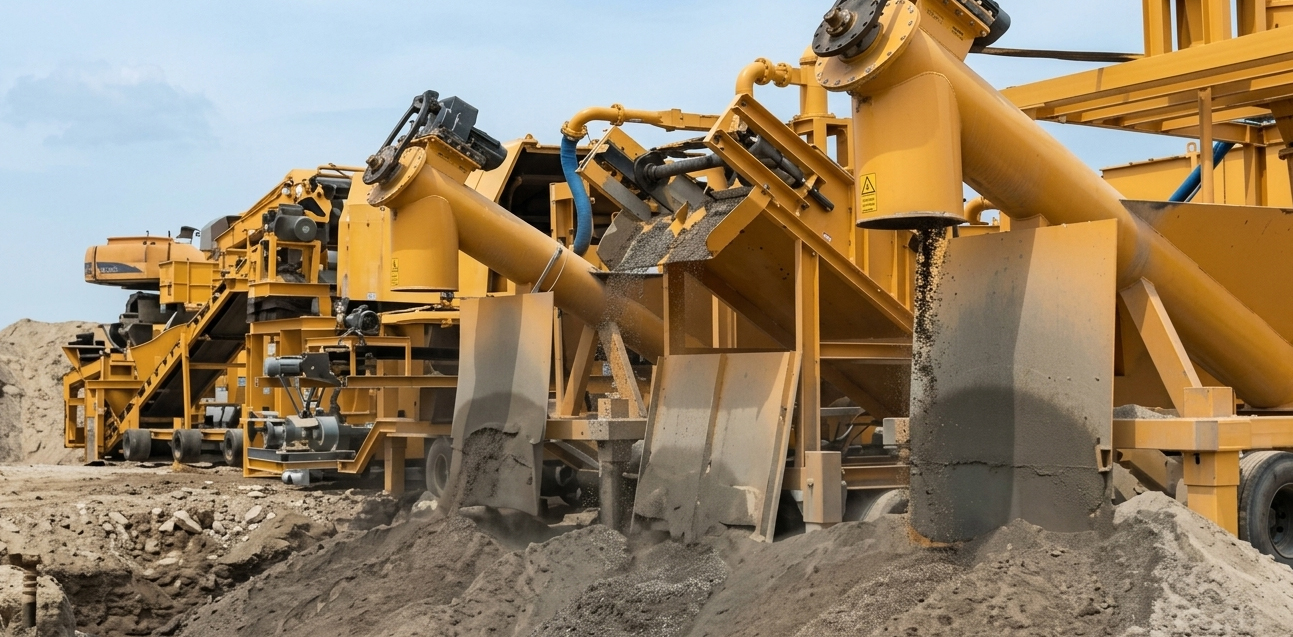
Washed aggregate is not waste—
it becomes restoration material.
Sand and aggregate processed by separation and Soil Washing can, after quality verification, be reused for riverbed reapplication, Capping and waterfront restoration.
- Riverbed Reapplication Build a stable riverbed with washed aggregate
- Contaminant Capping Contain pollution in undredged layers
- Natural Recovery Create habitat for aquatic plants and benthic organisms