Restoration Benefits
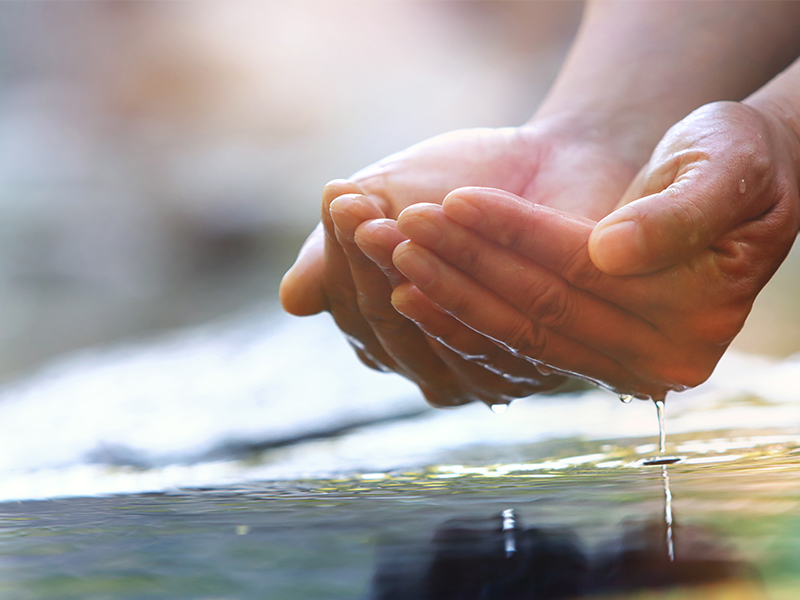
Improves water quality, reduces odor and supports habitat and waterfront recovery.
Contaminated-sediment treatment is
the starting point for aquatic recovery.
Removing contaminated bottom sediment and stabilizing the riverbed improves water quality, reduces odor and algal-bloom drivers, and restores aquatic habitat.
Restoration cases at Taehwa River, Sangpaecheon and Gangneung Sinricheon show stronger results when dredging, treatment, reuse and Capping are applied together.
Sangpaecheon Water-Quality Improvement
Major water-quality indicators improved substantially after clean-aggregate reapplication and riverbed remediation.
59.1 → 8.3 mg/L
102.0 → 14.8 mg/L
116.0 → 3.97 mg/L
2.0 → 0.41 mg/L
Removing contaminated bottom sediment and reapplying washed aggregate reduces suspended solids and organic pollution loads.
Removing odor sources in deposited sludge reduces community nuisance.
Once the riverbed stabilizes, benthic organisms and fish can re-establish.
Improved waterfront conditions restore river spaces for community use.
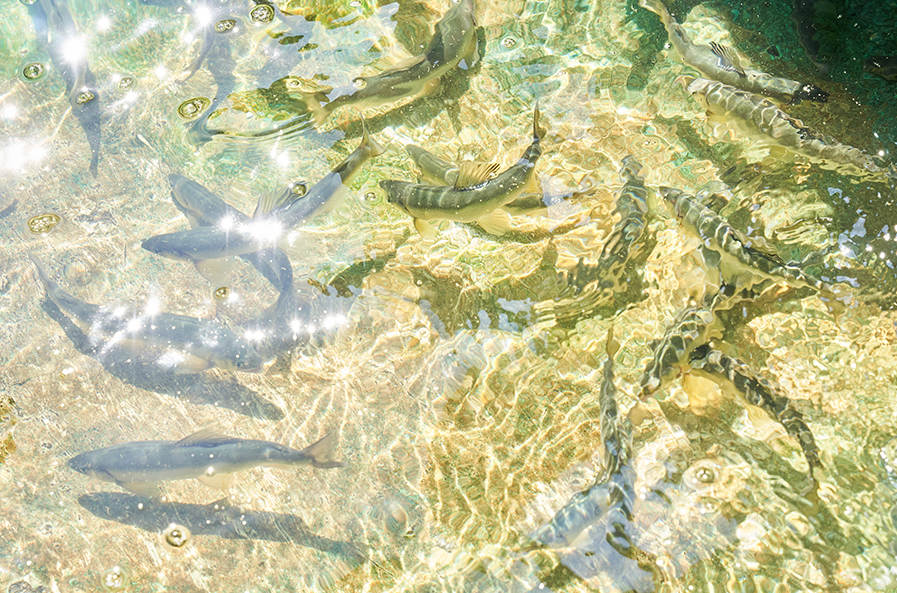
Restoration is measured in both data
and ecological change.
Beyond improved water-quality metrics, the return of migratory species such as salmon, dace, mullet and sweetfish is an important indicator of renewed natural resilience and ecological connectivity.
- Water-Quality Indicators Reduced BOD, SS, T-N, T-P and other pollutants
- Riverbed Stabilization Improve bottom conditions through removal and Capping
- Biological Change Rebuild habitat for aquatic organisms and fish