Circular Restoration
Shifts from disposal-centered treatment to circular ecosystem restoration.
Moving beyond disposal toward
circular restoration.
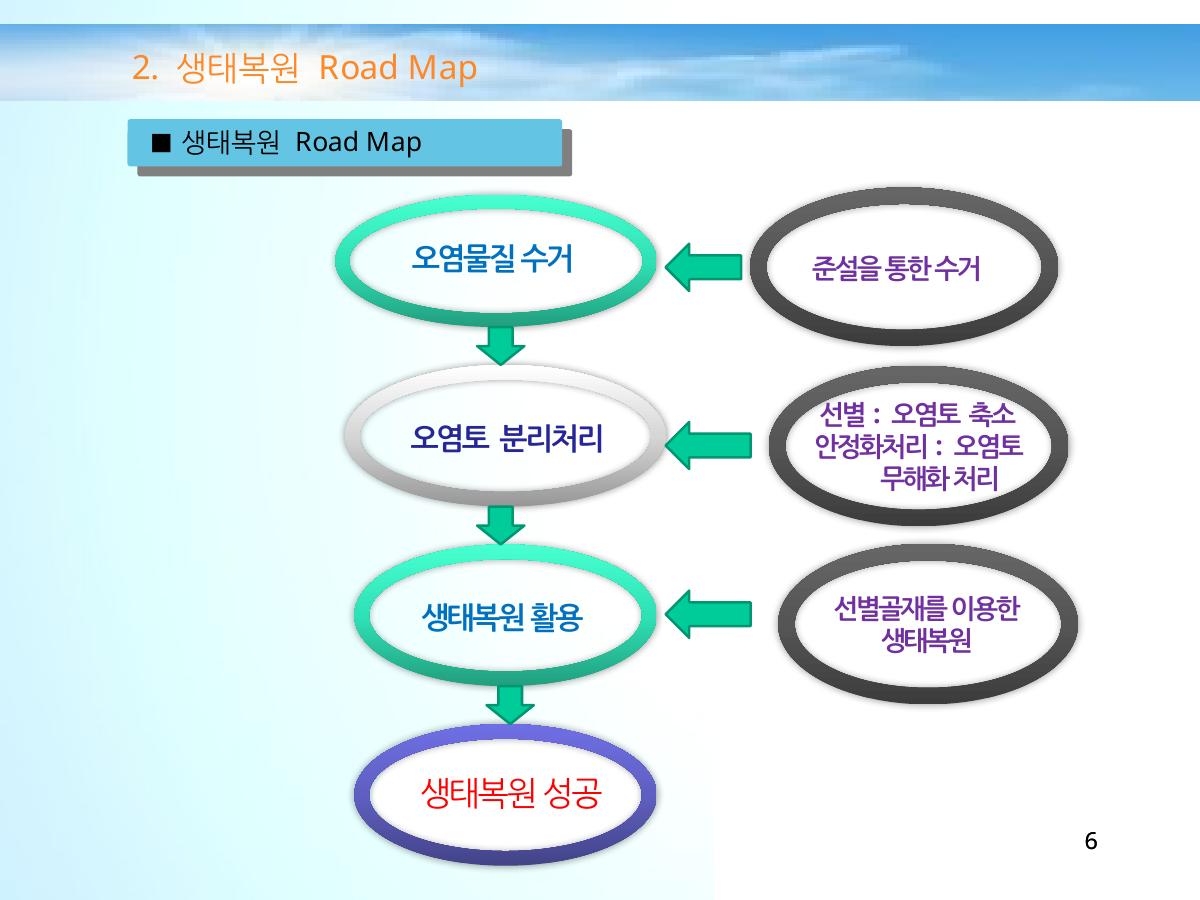
Treating contaminated sediment solely as waste increases cost and environmental burden. Soil Resources uses separation, washing, improvement and stabilization to reuse dredged soil as restoration, civil-engineering and planting material.
Recovered aggregate is used for riverbed restoration and Capping, while stabilized soil is reused as fill, cover and planting soil, reducing disposal volume and improving project economics.
Turning discarded dredged soil
into a restoration resource
Useful aggregate is separated from contaminated sediment while contaminated fines are stabilized and improved for on-site reuse. This reduces disposal cost and secures restoration materials directly at the site.
- Recovered Aggregate Riverbed reapplication, Capping and restoration material
- Stabilized Soil Reuse as fill, cover and planting soil
- Treated Water Reuse or discharge after compliant treatment
Particle separation reduces contaminated fines and recovers reusable aggregate.
Heavy-metal stabilization and water treatment suppress contaminant leaching and dispersion.
Washed aggregate and improved soil are reused for river restoration.
Reuse can reduce hauling and waste-disposal burden compared with landfill-centered treatment.
Reuse is designed around
site conditions and end use.
Soil improvement and stabilization go beyond simple solidification. The process targets physical properties, moisture, strength and environmental stability required for final use, based on analysis of on-site soil and dredged material.
- River Restoration Capping, riverbed and waterfront materials
- Civil Engineering Fill, cover, backfill and roadbase
- Vegetation Planting soil, revegetation soil and restoration base