Taehwa River
Aquatic restoration using clean-aggregate Capping and tributary dredging.
From a degraded river to the return of migratory fish—
a symbol of ecological restoration
The Taehwa River remediation project treated long-accumulated contaminated sludge and reapplied washed, recovered aggregate to the riverbed, combining water-quality improvement with ecosystem restoration.
As contaminated sediment was removed and riverbed conditions improved, the return of migratory fish such as salmon, dace and mullet became a visible indicator of restoration success.
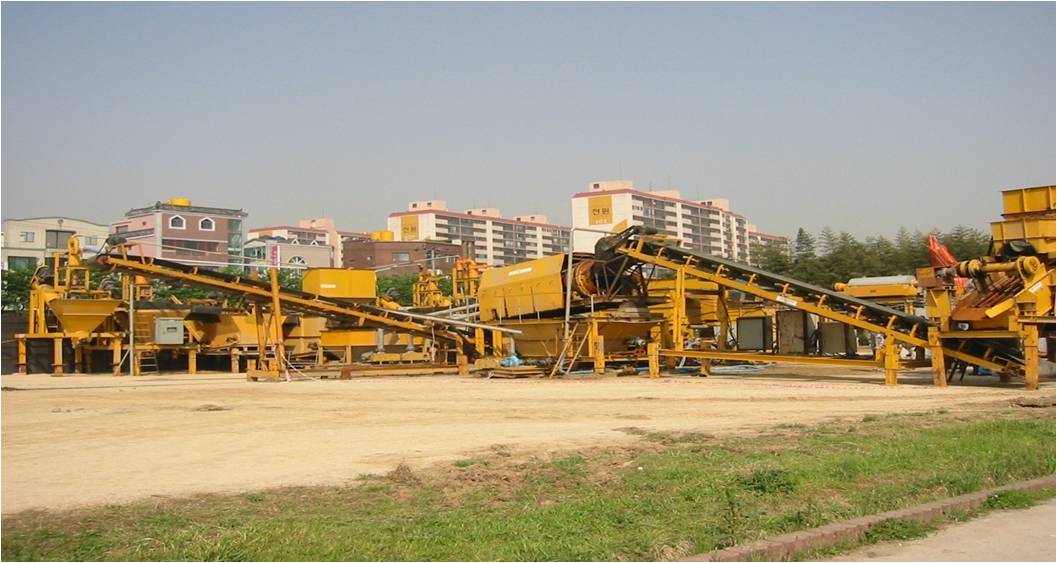
Taehwa River Restoration Process
The Taehwa River case demonstrates that aquatic restoration improves when pollution-source removal, tributary management, aggregate reapplication and biological recovery are integrated.
Remove highly contaminated sediment layers
Recover reusable aggregate from dredged soil
Reapply washed aggregate to build habitat
Restoration through better water quality and return of aquatic life
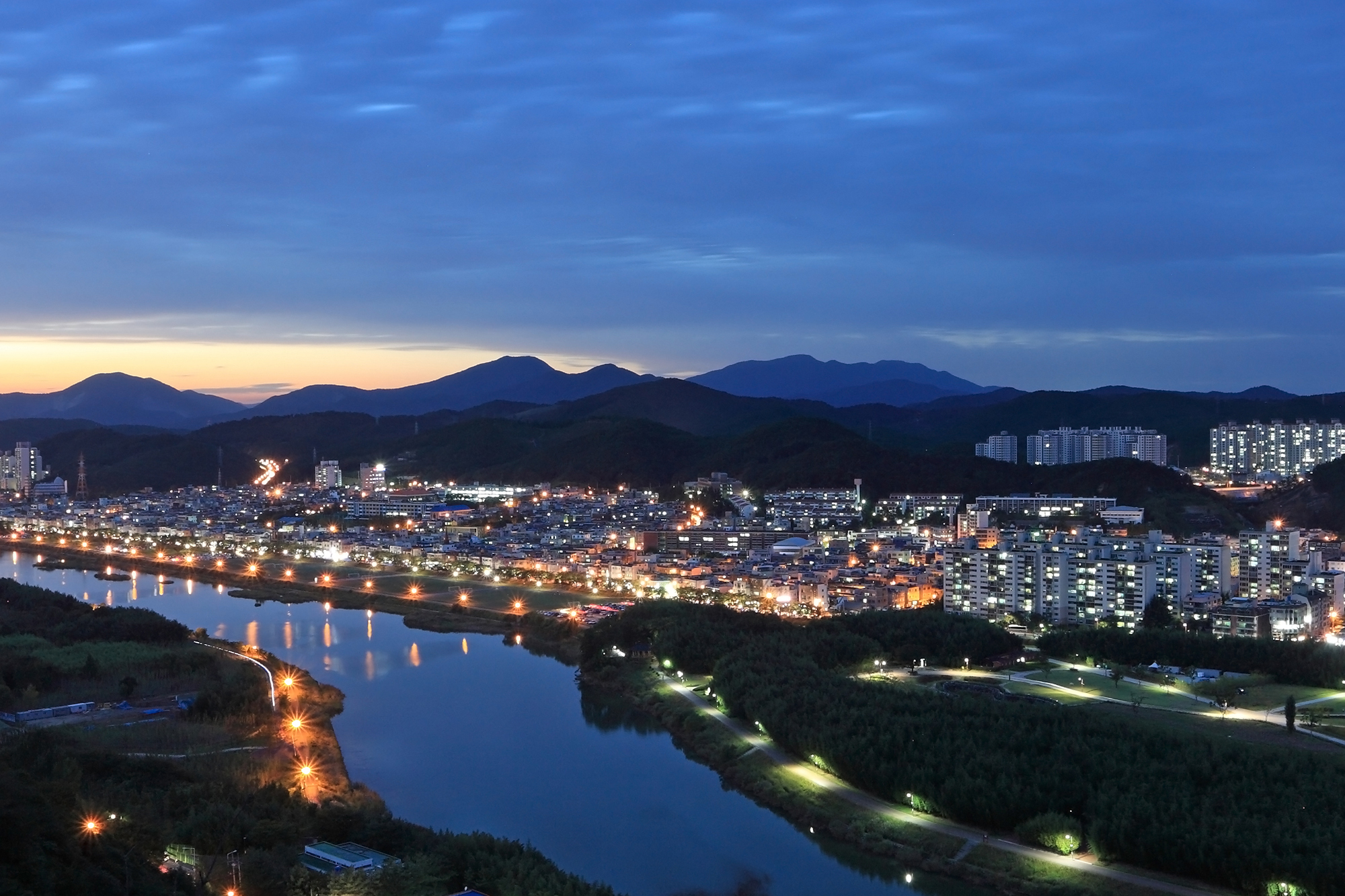
Keys to Restoration Success
Taehwa River restoration did not end with dredging; it combined tributary dredging, pollution-input control, recovered-aggregate reuse and ongoing management.
- Manage pollution sources in the main river and tributaries
- Reuse washed aggregate for riverbed restoration
- Target water-quality and biological recovery together
- Restore waterfront space and improve the urban environment